Hedge Trimming in Parsons Green

Hedge trimming in Parsons Green is a practical service for keeping garden boundaries neat, disciplined and in step with the rest of the outdoor space. We cut and shape hedges so they support light, privacy and clean lines without becoming ragged or overgrown. The work can suit regular maintenance, seasonal tidy-ups or more involved restoration after a period of missed care, with the aim of leaving a sharper finish and a healthier growing habit.
Different hedges need different handling, so the approach is shaped around the plant type, height, density and the way the hedge is being used. A formal border calls for a crisp profile, while a softer mixed boundary may need careful reduction rather than strict symmetry. If you are comparing options, our services overview gives a simple way to see how hedge work sits alongside other garden services, and the rest of this page explains the trimming work in more detail.
For many properties, the best results come from a steady pattern of attention rather than occasional heavy cutting. Our work is focused on control, finish and plant care, with attention to the shape you want to keep and the growth that needs to be removed. If you would like to discuss hedge trimming for your garden, request a quotation when you are ready.
Regular hedge maintenance
Routine hedge maintenance is the simplest way to keep outlines from drifting, blocking paths or spilling into adjoining planting. It is usually better for the hedge and easier for the garden when trimming is done before growth becomes difficult to manage. That can mean light tidying to maintain an existing line, or a planned cut that keeps the hedge even across long runs and around corners. Consistency matters because small corrections are usually easier than major reshaping later on.
We can work with hedges that frame front gardens, divide spaces, or create a more private backdrop at the edge of a property. Where access is awkward, the trimming plan needs to account for reachable sides, safe working space and the finish that can realistically be achieved. A hedge that is kept at a sensible size tends to hold its structure better, and it is often the difference between a garden that feels ordered and one that starts to look untidy at the edges.
When a hedge is being maintained on a regular basis, the key decision is usually how much growth should be removed at each visit. Too little can leave the shape drifting, while too much can affect density or reveal gaps that were previously hidden. We can help with steady garden maintenance where hedge trimming forms part of the wider seasonal care, especially when the same outdoor areas need to be kept in line together.
Shaping and reduction
Some hedges need more than a tidy cut. They may have stretched upward, widened into paths or lost the taper that helps light reach the lower growth. In those cases, shaping and reduction work are about restoring a sensible form rather than simply taking the surface back. The finished profile should look deliberate, with straight runs kept true where needed and softer lines handled in a way that suits the planting and the space available.
Reduction work often benefits from a careful, staged approach. Cutting back too hard in one go can expose weak sections or leave a hedge looking thin, so it is important to understand how much can be removed without making the result look harsh. Where hedges have uneven growth, we can aim to even the structure while respecting the natural habit of the plant. That balance is useful for properties that want a smarter appearance without over-formalising the planting.
If the hedge is part of a broader garden refresh, trimming may be planned alongside other outdoor work so that one task does not undo the effect of another. For larger changes to the wider garden layout, landscape gardening can provide context for how hedges sit within the space, while hedge trimming remains the specific work that keeps the boundary itself in shape.
Overgrown hedges and difficult access

Hedges can become overgrown for many reasons: missed visits, seasonal surges, limited access or simply the wrong cutting pattern over time. Once that happens, the hedge often needs more than a light pass, because the outer growth may be masking uneven density or branches that have started to lean outward. In those situations, the work has to be planned carefully so the hedge is brought back under control without leaving a disjointed finish.
Access matters because a hedge that can be reached from a lawn edge is very different from one beside a narrow side return, a fence line or a boundary close to other planting. The practical question is not only how to cut it, but how to work around the site safely and leave the area usable once the trimming is complete. Where a hedge has become difficult to manage, it may also be useful to pair trimming with the removal of unwanted clippings and accumulated garden debris.
For gardens that need a fuller clear-up, garden clearance is relevant where hedge growth is tangled with waste, fallen material or other overgrowth that needs removing before the boundary can be brought back into order. That way, the trimming is not forced to compete with clutter, and the result can be assessed more clearly once the work is finished.
How hedge trimming is planned
Good hedge trimming starts with a clear view of the hedge’s purpose. A boundary hedge that is meant to screen a garden may need a different finish from an ornamental hedge that is intended to create a formal line. Height, width, species, nearby planting and the shape of the property all influence the cut. A neat job is not just about removing growth; it is about removing the right growth in the right places.
Useful details to think about before asking for a quotation are the hedge’s approximate length, its height, how accessible it is from both sides and whether the hedge is being kept tidy or reduced. If there are awkward corners, stepped sections, gates or other obstacles, those details help make the work clearer. A few photos and a brief description are often enough to show the hedge’s current condition and the finish you would like to achieve.
There are also limits to what trimming can achieve in one visit. A very neglected hedge may need staged work, and some plants respond better to gradual correction than to a heavy cut. When the hedge has been left to stretch for a long time, the safest and tidiest outcome may involve more than one level of work. If you want to compare that with wider outdoor care, landscaping is a broader option, while trimming remains the focused service for the hedge itself.
Finished lines, seasonal growth and garden presentation

Hedge trimming plays a visible role in how a garden feels from the house, the path and the boundary. Clean lines can make beds, lawns and paved areas look more intentional, while an untidy hedge can make even a well-kept garden feel crowded. A good finish should sit naturally within the garden rather than looking clipped for its own sake. That means considering the line of the hedge as part of the overall presentation, not as an isolated task.
Seasonal growth can change the hedge’s shape quite quickly, especially where soft new shoots appear after a period of stronger growth. Keeping an eye on the hedge through the year helps reduce the chance of it pushing into windows, over paths or beyond its intended line. In many gardens, a sensible trimming pattern makes future maintenance easier because the hedge keeps a predictable outline, and the need for corrective work is reduced. That can be especially valuable where the boundary frames an entrance or a front-facing aspect.
There is often a practical link between hedge care and other simple lawn or border work. If nearby grass is being kept short, or if the surrounding garden is being tidied at the same time, the hedge will stand out more clearly and the final result can look more composed. For that wider outdoor routine, lawn mowing may be a relevant companion service when the aim is to keep the whole garden tidy rather than the hedge alone.
About Parsons Green
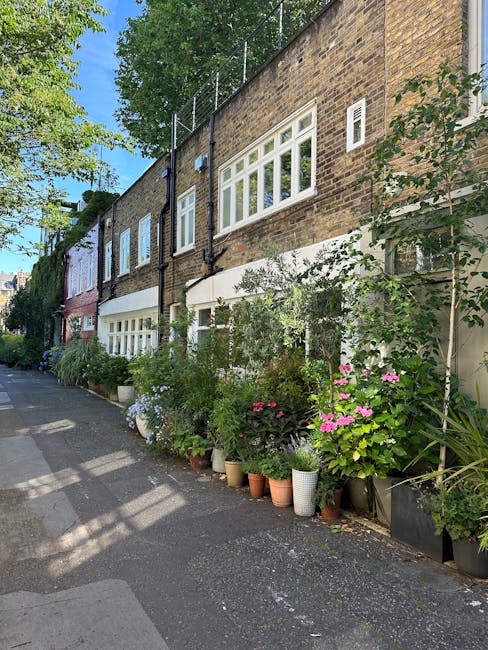
Parsons Green is a district in Fulham, within the London Borough of Hammersmith and Fulham, centred on the green space of the same name and a busy local junction that has long made it a recognisable neighbourhood in west London. The area takes its name from the green itself, and the open space remains one of its defining features, with a mix of residential streets, period buildings and everyday commercial activity around the edges. Parsons Green tube station on the District line gives the district a clear transport identity, while nearby Fulham Road and New King’s Road connect the area with neighbouring parts of Fulham and Chelsea. The setting is largely urban, but the green and surrounding trees soften the streetscape and create a more spacious feel than many parts of inner London. The neighbourhood is known for its village-like atmosphere, yet it sits within a dense and historically layered part of the capital, where late Victorian and Edwardian terraces stand beside later infill and converted buildings. Like much of Fulham, the district reflects the long development of west London from rural outskirts into a settled residential area, and today it combines local shops, cafes, schools and community life with the calmer presence of the green itself. Architectural interest is found in the streets around the open space, where varied facades, railings and front gardens help give the area its character. Parsons Green also acts as a convenient landmark for people moving through Fulham, because it marks a clear point on the map rather than just a loosely defined quarter. The result is a place with a strong sense of identity, shaped by its transport links, open space and the everyday rhythm of a well-established London neighbourhood.
Trimming for front gardens, boundaries and screening
Different hedges serve different roles, and the trimming approach should match that role. A front garden hedge may need a low, accurate profile that keeps sightlines open while still giving definition. A boundary hedge may be taller and more private, which means the shape has to be regular enough to look intentional from both sides. Screening hedges often need more attention to side faces, because uneven sides can make the whole structure appear less balanced even when the top line looks neat.
Where a hedge is meant to soften rather than hide, the finish can be lighter and less severe. Some gardens benefit from a slightly looser outline that keeps planting looking natural while still clearly maintained. Others need a straight, disciplined edge that suits more formal paving, brickwork or fencing. The right result is rarely achieved by cutting all hedges the same way; it comes from reading the job properly and removing growth with the end use in mind. That is the main difference between simple tidying and considered hedge work.
For customers who are planning a broader refresh, hedge trimming can sit neatly beside other garden tasks, especially when several parts of the outdoor space need attention at once. Tree lopping and removal may be relevant where larger vegetation is affecting the hedge line or light levels, although the hedge itself still needs its own specific treatment and finish.
Quotations and job details

Quotation requests are usually clearer when they focus on the hedge’s size, condition and access rather than on broad descriptions alone. If you can describe whether the hedge is simply due for a tidy, or whether it has become uneven and needs reduction, that gives a better basis for planning the work. A hedge that runs along multiple sides of a property may also need separate consideration for each section, especially if the growth varies from one side to another.
The most helpful job details are usually:
- approximate hedge length and height
- whether both sides are accessible
- how regular the hedge maintenance has been
- any sections that are especially dense, high or awkward
- whether cuttings need to be removed as part of the job
If you are ready to move forward, contact us for a quotation and we can discuss the hedge trimming work in a clear, straightforward way. For further background on pricing factors, pricing and quotes may also be useful when you are weighing up the scale of the task and the level of trimming required.
Keeping hedges in good condition through the year
Well-timed trimming supports both appearance and plant condition. Hedges that are allowed to drift for too long often need more corrective cutting, while those trimmed regularly are easier to keep even and manageable. The aim is not simply to make a hedge look shorter for a day, but to preserve a shape that works through the seasons and continues to suit the garden layout as growth returns. That is especially important in properties where the hedge has a visual job to do all year.
Different situations call for different levels of intervention. Some hedges only need edging and top-line correction, while others need more noticeable reduction to restore a balanced profile. We can help with the trimming itself, the removal of the resulting cuttings and the practical finishing that leaves the site tidy. If you are comparing hedge care with other types of outdoor upkeep, it may help to note that trimming is a focused task with a visible result, whereas broader maintenance can combine several kinds of work.
For a wider look at related outdoor tasks, about us explains the business background, while this page remains centred on hedge trimming in Parsons Green and the kind of finish customers usually want from the work. If you would like to begin with a simple enquiry, send your hedge details when convenient.