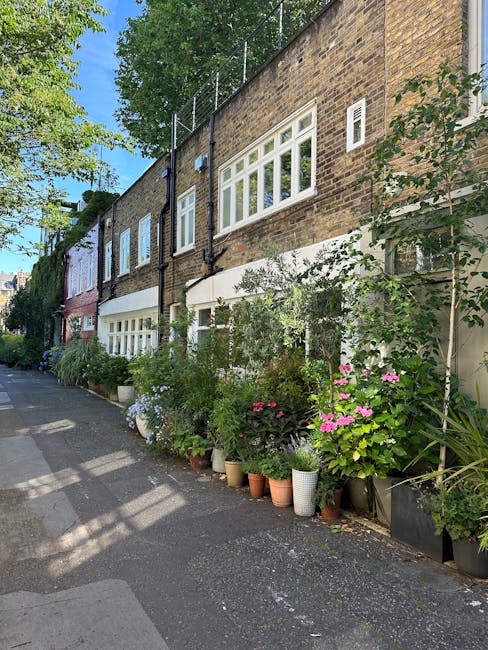
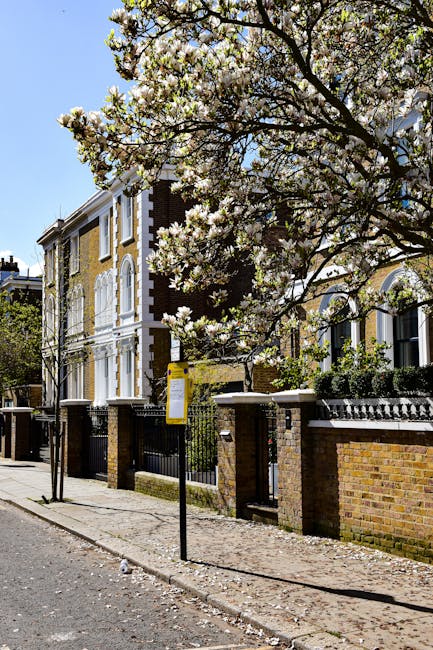
Parsons Green gardeners guide for New Kings Road homes
If you live on or near New Kings Road, you already know the gardens here need a slightly different approach. Terraces, courtyard plots, narrow front gardens, roof terraces, and small rear spaces all bring their own quirks. This Parsons Green gardeners guide for New Kings Road homes is designed to help you make sensible decisions, whether you're trying to improve a tired border, keep a compact garden manageable, or plan a more polished outdoor space that actually fits busy London living.
The best gardens in this part of South West London are not always the biggest. They are the ones that feel considered. A little shade here, a bit of privacy there, a planting choice that doesn't sulk after one dry week. Truth be told, that is often what people want most: something attractive, practical, and not a constant headache. Below, you'll find a clear, local-minded guide to how professional garden care can work, what to expect, what to avoid, and how to get better results without overcomplicating things.
Quick expert summary: If your New Kings Road home has limited space, awkward light, or a garden that needs regular upkeep rather than one-off attention, the smartest route is usually a simple plan built around seasonal maintenance, resilient planting, and realistic routines. That tends to save time, reduce waste, and keep the garden looking good for longer.
Table of Contents
- Why Parsons Green gardeners guide for New Kings Road homes Matters
- How Parsons Green gardeners guide for New Kings Road homes Works
- Key Benefits and Practical Advantages
- Who This Is For and When It Makes Sense
- Step-by-Step Guidance
- Expert Tips for Better Results
- Common Mistakes to Avoid
- Tools, Resources and Recommendations
- Law, Compliance, Standards, or Best Practice
- Options, Methods, or Comparison Table
- Case Study or Real-World Example
- Practical Checklist
- Conclusion
- Frequently Asked Questions
Why Parsons Green gardeners guide for New Kings Road homes Matters
Gardening in Parsons Green and along New Kings Road is not the same as maintaining a large suburban plot with open borders and endless lawn. Space is usually tighter. Light can be patchy because of neighbouring buildings, fences, and mature trees. Wind can funnel through terraces and balconies. And in many homes, the garden has to do several jobs at once: look tidy from the kitchen window, support family life, create privacy, and still be easy enough to maintain.
That is why a localised gardening approach matters. A generic plan often misses the realities of London homes. A well-fitted plan starts with what you actually have, not what a magazine photo suggests you should have. In a narrow rear garden, for example, a tall planting screen may do more for comfort than a flower-heavy border. In a paved courtyard, structure and container choice can matter more than lawn. Small choices. Big difference.
There is also the simple matter of time. Most homeowners on New Kings Road do not want to spend every weekend wrestling with a hedge trimmer or reviving thirsty pots. They want a garden that holds its shape through the season. That means pruning at the right time, choosing plants that can cope with urban conditions, and setting up maintenance routines that don't collapse after a busy month. If you've ever looked out at a garden in late July and thought, how did it get away from me so quickly? you're not alone.
This is also where good local knowledge helps. The right gardener will understand the rhythm of nearby homes, the mix of sun and shade common in the area, and the practical need for privacy, neat edges, and manageable upkeep. For homeowners comparing services, it can help to look at broader support options such as garden maintenance or more tailored garden design planning when a space needs more than routine tidying.
How Parsons Green gardeners guide for New Kings Road homes Works
In practical terms, this kind of gardening support usually begins with a site-specific assessment. That means looking at light levels, soil condition, drainage, access, existing planting, and how the space is used day to day. A garden that gets morning sun and afternoon shade needs a different plant palette from one that bakes against a south-facing wall. Obvious, maybe. But it's surprising how often this gets overlooked.
The process then usually moves into priorities. What matters most right now? Tidying overgrowth? Replacing tired borders? Improving structure? Creating privacy? Reducing weekly maintenance? Once those priorities are clear, the work can be phased sensibly rather than tackled in a rushed all-at-once burst.
A typical approach might include:
- clear identification of the garden's conditions
- pruning and shaping to restore structure
- weeding and border refresh work
- seasonal planting or replacement of weak plants
- soil improvement or composting where needed
- regular visits to keep everything stable
For many homes, the real value lies in continuity. One visit can sort the obvious issues. Ongoing care keeps the garden looking intentional instead of periodically rescued. If your front garden on New Kings Road is part of the overall first impression of the house, that consistency matters quite a lot.
Professional services may also coordinate specialist tasks such as tree work, hard pruning, or recurring maintenance schedules. For broader support, pages like lawn care and restoration and hedge trimming services can be useful when the garden needs focused attention rather than a full redesign.
Key Benefits and Practical Advantages
A good garden plan for New Kings Road homes is not about making everything look overly formal. It is about making the garden work better in real life. That includes how it looks, how it feels, and how much effort it takes to keep it under control.
Here are the main benefits homeowners usually notice:
- Better use of limited space - compact gardens can feel larger with the right layout, planting height, and visual lines.
- Lower maintenance stress - resilient planting and sensible pruning reduce constant catch-up work.
- Improved privacy - especially important in terraced streets and properties with overlooked rear gardens.
- Cleaner visual appeal - neat edges, healthy planting, and balanced structure make a garden feel cared for, even when it is simple.
- Seasonal reliability - the garden is less likely to collapse into a patchy, overgrown mess by midsummer.
- Better plant longevity - the right species in the right place tend to survive and settle more effectively.
There's a quieter advantage too: peace of mind. A garden that is under control tends to feel like part of the home, not another unfinished job. You notice it when the back door opens and everything looks settled rather than frantic. Little thing, but it counts.
For homeowners considering upgrades beyond maintenance, it can also be helpful to explore planting design ideas or patio installation and outdoor surfacing if the space needs a more structural refresh.
Who This Is For and When It Makes Sense
This guide is especially useful if you fall into one of the following groups:
- homeowners with a small or medium-sized garden who want a more manageable routine
- busy families who need the garden to look tidy without constant intervention
- landlords or property managers preparing a home for viewings or new tenants
- new residents who have inherited a garden that needs sorting out properly
- people planning a refresh before spring, summer entertaining, or a property sale
- anyone whose garden gets out of hand faster than they'd like to admit
It also makes sense when a garden has one or more common London issues: poor drainage after rain, a patchy lawn, cramped access, shaded boundaries, or planting that looked good in one season and then gave up. If you've got a front garden facing the street, a side return, or a small courtyard with pots that dry out quickly in warm weather, the same guide still applies, just with different priorities.
A useful rule of thumb: if the garden needs regular attention to stay presentable, but not a full rebuild, you are in the sweet spot for this kind of approach. If it needs major reshaping, then a maintenance-only plan may not be enough at the start.
Step-by-Step Guidance
Here is a clear way to think about improving a garden at a New Kings Road home. No drama, no mystery. Just a practical sequence that tends to work.
1. Start with the actual conditions
Look at light, drainage, and access before buying anything. A north-facing wall in Parsons Green will behave very differently from a sunny terrace or sheltered courtyard. Walk the space at different times of day if you can. Morning, afternoon, and early evening each tell you something useful. A bright corner at 10 a.m. may be in full shade by 3 p.m.
2. Decide what the garden needs to do
Ask a simple question: what matters most here? Privacy, play space, flowers, easy upkeep, or all of the above? If everything is treated as equally important, the result can feel muddled. Most strong gardens have a hierarchy. One or two priorities lead the design; the rest support them.
3. Remove the obvious problems first
Overgrown shrubs, weak plants, compacted soil, broken containers, and cluttered corners usually create the biggest visual drag. Clear those before making decorative choices. It is much easier to see the real shape of the garden once the noise is gone. Sometimes the space improves dramatically just from a good clean-out. Not glamorous, but effective.
4. Rebuild structure
Structure includes hedging, path edges, focal points, climbers, trellises, and the shape of borders. In compact London gardens, structure matters because it creates order and makes the space feel more intentional. A small tree or trained climber can add height without swallowing the whole area.
5. Choose plants for the site, not the wish list
It is tempting to pick plants based on colour alone. We all do it. Then the poor thing struggles in shade, or gets scorched in a hot corner, or hates the drainage. Better to match plants to the conditions first and the style second. Hardy perennials, evergreen structure, and a few seasonal accents often give better long-term results than trying to force a delicate display into an awkward spot.
6. Set up a maintenance rhythm
This is the bit that keeps things working. Regular deadheading, pruning, feeding, watering, and seasonal refreshes prevent the garden from sliding backward. A good rhythm is usually more valuable than heroic one-off efforts. In our experience, a modest plan kept consistently is better than a big tidy-up once a year.
7. Review after each season
As light changes and plants mature, the garden will tell you what is working. Maybe one border is too dry. Maybe the screening plant is taking over. Maybe the pot arrangement needs more height. Make small adjustments rather than waiting for things to become a problem again.
Expert Tips for Better Results
Some gardens improve because of major work. Others improve because someone finally pays attention to the small decisions. The second category is often underestimated.
- Use repetition to create calm. Repeating a few plant shapes or container styles helps smaller spaces feel composed rather than busy.
- Keep the palette restrained. Too many materials or flower colours can make a compact garden feel crowded.
- Think vertically. Climbers, trellis systems, and trained shrubs can give you depth without eating up floor space.
- Don't ignore edge detail. Crisp border edges and clean paths make a surprising difference.
- Mulch where appropriate. It helps with moisture retention and makes borders look finished.
- Plan for maintenance before you plant. If a plant needs frequent clipping and you're already short on time, it may not be the right choice.
A small, slightly nerdy tip: buy fewer plants but place them better. That usually beats a crowded, random planting scheme. And yes, I know it is less exciting than a trolley full of blooms. But it works.
If your home includes a terrace, roof space, or a courtyard that needs containers, consider adding practical support through container gardening advice or garden watering solutions where drying conditions are an issue.
Common Mistakes to Avoid
Even well-intentioned garden projects can go sideways when the basics are missed. Here are the most common problems we see in London gardens like these.
- Choosing plants that suit the look but not the conditions. A plant can look perfect in a nursery and still fail badly at home.
- Ignoring drainage. Waterlogged soil ruins roots and weakens planting over time.
- Overfilling small spaces. Too many pots, ornaments, or shrubs can make the garden feel cramped.
- Letting maintenance slip after the first tidy-up. That is how a neat garden slowly becomes a stressful one.
- Cutting hedges or shrubs at the wrong time. Some plants are forgiving, some are not. Timing matters.
- Relying on "low maintenance" as a magic word. Low maintenance still means maintenance.
One of the biggest mistakes, honestly, is assuming the garden should solve itself once the weather improves. It won't. Spring can make a garden look hopeful very quickly, then one warm stretch and a few missed weeks later, it's playing catch-up again.
If you want broader help avoiding planning errors, the advice in garden planting FAQs can be useful for beginners and experienced homeowners alike.
Tools, Resources and Recommendations
Not every homeowner needs a shed full of equipment. But having the right basics makes upkeep easier and safer. For smaller London gardens, a compact toolkit is usually enough for routine care.
| Task | Useful tools | Why it helps |
|---|---|---|
| Pruning shrubs and perennials | Secateurs, loppers, pruning saw | Gives cleaner cuts and better plant recovery |
| Border tidy-up | Hand fork, border fork, hoe | Makes weeding and soil work more efficient |
| Container care | Watering can, compost scoop, moisture meter | Helps avoid overwatering or drying out |
| General maintenance | Gloves, rake, broom, wheelbarrow | Keeps the space clean and manageable |
| Lawn upkeep | Mower, edging tool, scarifier or rake | Supports healthier grass and cleaner lines |
For bigger jobs, professional help can be more efficient than buying tools you'll only use once or twice a year. That is especially true for pruning at height, stump-related work, or garden clearance. A service such as garden clearance can be a sensible starting point when the space has become difficult to manage.
Useful resources to keep in mind include planting labels, seasonal gardening calendars, and local nursery advice. A good gardener will usually recommend what suits the space rather than what happens to be on sale. That little difference matters.
Law, Compliance, Standards, or Best Practice
For most domestic garden work, the main concern is best practice rather than heavy compliance. Still, there are a few areas where care matters.
First, if work affects boundaries, trees, shared access, or neighbouring properties, it is wise to check ownership and permissions before starting. That sounds obvious, but boundary confusion is a common source of headaches in London terraces. Trimming over a fence line without checking can create avoidable tension.
Second, if waste is being removed, it should be handled responsibly through appropriate disposal channels. Garden waste mixed with other rubbish can become more complicated than people expect. A professional team should be clear about what they take away and how it is managed.
Third, if any work involves power tools, ladders, or larger tree and hedge operations, proper safety practice matters. Experienced gardeners will usually assess access and hazard points before beginning. That includes looking for trip hazards, awkward slopes, unstable surfaces, and nearby glass, lighting, or delicate planting.
There is also a general standard issue: good gardening work should leave the site neat, proportionate, and appropriate to the property. In a well-kept Parsons Green home, "best practice" usually means tidy workmanship, sensible plant choices, and maintenance that fits how the owner actually lives. Not flashy. Just good.
Options, Methods, or Comparison Table
Different homes need different levels of support. The right choice depends on the condition of the garden, your available time, and whether the space needs a quick reset or an ongoing plan.
| Option | Best for | Pros | Trade-offs |
|---|---|---|---|
| One-off tidy-up | Overgrown or neglected gardens | Fast visible improvement | May not hold results without follow-up |
| Regular maintenance visits | Busy households and rental homes | Keeps the space stable and neat | Requires a recurring commitment |
| Planting refresh | Tired borders or weak seasonal displays | Improves colour, structure, and resilience | Needs the right site assessment first |
| Garden redesign | Spaces that no longer function well | Solves layout problems and long-term issues | More time, planning, and budget |
If you are unsure which route is right, start with a review rather than committing too early. A short assessment can show whether your garden simply needs maintenance or whether the layout itself is holding it back. That clarity saves money and frustration, which, let's face it, is never a bad thing.
Case Study or Real-World Example
Imagine a typical New Kings Road townhouse with a small rear garden and a front strip that gets plenty of street exposure. The rear space has a tired lawn patch, two overgrown shrubs, several mismatched pots, and a shaded corner that always looks bare by late summer. The front has hedge growth that is just a little too eager and a couple of plants that block the entrance rather than frame it.
A sensible plan would not begin with buying lots of new plants. It would start by clearing the clutter, cutting back the shrubs, and identifying what the garden can realistically support. The shady corner might be better suited to evergreen structure and tolerant shade plants. The sunny area could take a few seasonal highlights, but not thirsty species that need daily attention in warm spells.
After that, the focus would move to rhythm: light pruning, border improvement, a cleaner edge to the lawn or paving, and perhaps a simple container scheme for the front entrance. The result would not be a show garden. It would be something more valuable for daily life: a space that looks finished, feels calm, and can be maintained without constant rescue missions.
That is usually the turning point. Once the garden stops fighting the property, the whole place feels easier to live in. You notice it on a Saturday morning when the light hits the leaves and the space just seems to breathe a bit better. Quiet satisfaction, that's what it is.
Practical Checklist
Use this checklist before booking work or starting a garden refresh of your own.
- Identify which parts of the garden get sun, shade, and wind
- Decide whether the priority is maintenance, privacy, planting, or redesign
- Remove or note anything damaged, dead, or overcrowded
- Check access for tools, waste removal, and larger items
- Review drainage issues after rain
- List any plants you want to keep
- Think about how much time you can realistically spend on upkeep
- Choose plants that suit the conditions, not just the style
- Plan a seasonal maintenance rhythm
- Confirm any boundary or neighbour considerations before major changes
Useful reminder: If you cannot keep a plant alive where it is, the answer is usually not more effort. It is a better plant, or a better position.
Conclusion
A thoughtful gardening approach for Parsons Green homes on New Kings Road is really about making small spaces work properly. It is about understanding light, access, privacy, maintenance, and the way a London garden has to fit into everyday life. When those pieces line up, the result feels calm and easy rather than demanding.
Whether you need a clean-up, a planting refresh, a maintenance plan, or a more complete rethink, the most reliable route is always the one built around your actual space. Not the fantasy version. The real one. And that's a good thing, because the real one can still be beautiful.
Get a free quote today and see how much you can save.
If you take one thing from this guide, let it be this: a garden does not need to be large to feel generous, and it does not need to be complicated to feel special. A bit of care, a bit of judgement, and the right plan go a long way.
Frequently Asked Questions
What does a Parsons Green gardener usually help with on New Kings Road homes?
Most homeowners ask for a mix of maintenance, pruning, planting, hedge shaping, tidy-ups, and seasonal refreshes. In smaller London gardens, the work often focuses on keeping the space neat, healthy, and easy to manage rather than turning it into a high-maintenance display.
How often should a garden near New Kings Road be maintained?
It depends on the size of the space and the planting style, but many gardens benefit from regular attention through the growing season. Small gardens can change quickly, so a frequent lighter touch often works better than occasional heavy intervention.
Is a one-off tidy-up enough for an overgrown garden?
It can be a good start, especially if the space has become difficult to use. But if the garden has underlying issues such as poor planting choices, drainage trouble, or no maintenance rhythm, a one-off visit may only solve part of the problem.
What plants work well in Parsons Green gardens?
That depends on light, aspect, and soil, but resilient shrubs, structured evergreens, shade-tolerant plants, and well-chosen perennials often perform well in London gardens. The key is matching the plant to the conditions rather than choosing by appearance alone.
Can small gardens still feel private?
Yes. Privacy can be improved with trellis, trained climbers, hedging, layered planting, and careful positioning of taller elements. You do not always need a big screen; often, a few well-placed choices are enough.
How do I know whether my garden needs redesign or maintenance?
If the space is broadly functional but just messy or tired, maintenance may be enough. If the layout feels awkward, the planting never settles, or the garden does not meet your needs, redesign may be worth considering.
What should I ask before hiring a gardener for a New Kings Road property?
Ask about experience with similar garden sizes, how they approach seasonal maintenance, how they handle waste, and whether they can advise on plant choices for your conditions. A good gardener should explain the plan in plain English, not hide behind jargon.
Do I need permission for major garden changes?
Some garden work is straightforward, but boundary issues, shared access, trees, and neighbour-facing changes can all raise questions. If the work is substantial, it is wise to check ownership and permissions before starting.
What is the best time of year for garden improvements?
There is no single perfect time, because different tasks suit different seasons. Spring and autumn are often good windows for planting and structural improvements, while summer is useful for maintenance and control. The right timing depends on the job.
Are low-maintenance gardens really low maintenance?
Not entirely. They are usually lower maintenance, not maintenance-free. The aim is to reduce the frequency and difficulty of care, not eliminate it. That distinction matters more than people think.
Can garden maintenance improve property appeal?
Yes, a neat, well-cared-for garden can make a home feel more welcoming and more finished. In a street like New Kings Road, where first impressions carry weight, tidy outdoor space can make a meaningful difference.
What if my garden is mostly shaded?
Shaded gardens can still look excellent with the right planting and structure. Many successful London gardens rely on leaf texture, evergreens, climbers, and shade-tolerant species rather than bright sun-loving displays.