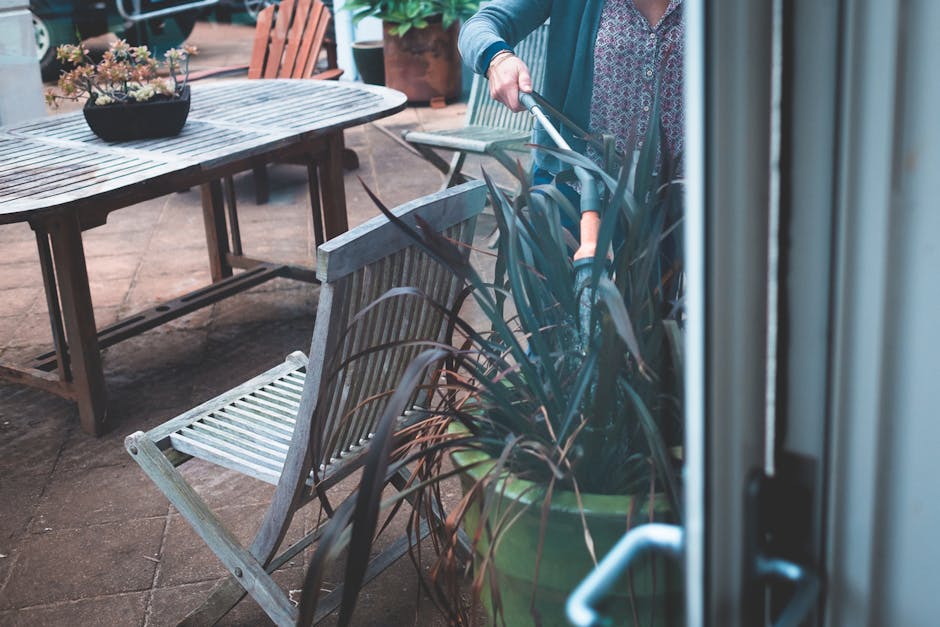
SW6 Gardeners for Terrace Gardens on Parsons Green Lane
If you live on Parsons Green Lane, you probably know the charm of a terrace garden all too well. It can be a small courtyard, a long narrow strip, or a raised space that gets a mix of sun, shade, and a fair bit of London weather doing its own thing. Finding the right SW6 gardeners for terrace gardens on Parsons Green Lane is less about "just tidying it up" and more about making limited space work beautifully, safely, and year-round.
Terrace gardens in SW6 need a slightly different approach from larger suburban plots. You want planting that survives wind between buildings, containers that do not dry out in a day, and a layout that feels calm rather than cramped. This guide walks through what matters, how terrace garden care works in practice, and how to choose a sensible service that fits your space, your routine, and your budget.
Whether you are dealing with a first-floor terrace, a back garden with hard landscaping, or a compact shared outdoor area, the aim is the same: make it attractive, usable, and easy to maintain without turning it into a weekend chore. And yes, that is absolutely possible.
Table of Contents
- Why SW6 gardeners for terrace gardens on Parsons Green Lane matters
- How terrace garden gardening works
- Key benefits and practical advantages
- Who this is for and when it makes sense
- Step-by-step guidance
- Expert tips for better results
- Common mistakes to avoid
- Tools, resources and recommendations
- Law, compliance, standards, or best practice
- Options, methods, or comparison table
- Case study or real-world example
- Practical checklist
- Conclusion
- Frequently asked questions
Why SW6 Gardeners for Terrace Gardens on Parsons Green Lane Matters
Terrace gardens are deceptively demanding. They look simple from the pavement, but once you start working with them, the details stack up quickly. Exposure, drainage, access, weight loading, watering, privacy, and planting all play a role. On Parsons Green Lane, where homes often sit close together and outdoor space is at a premium, those details matter even more.
Good SW6 gardeners understand how to handle compact urban gardens without overcomplicating them. They know that a terrace garden is not just a small version of a larger garden. It has different rules. A loose bit of gravel can shift, a heavy planter can strain a roof terrace, and a thirsty plant in a sunny spot can look fine one day and frankly miserable the next.
The value of local experience is practical. A gardener who works in SW6 is more likely to recognise the rhythm of the area: the way light bounces off neighbouring buildings, how sheltered corners trap moisture, and how a narrow terrace can still feel spacious if the structure is right. That local familiarity can save you time, money, and a lot of second-guessing.
Expert summary: The best terrace garden work is not about packing in the most plants. It is about creating balance: planting that fits the light, materials that suit the space, and maintenance that stays realistic for everyday life.
If you are considering help, it is worth looking beyond appearance alone. A beautiful terrace is only genuinely successful if it is manageable, durable, and comfortable to use. That is where thoughtful local gardeners earn their keep.
How SW6 Gardeners for Terrace Gardens on Parsons Green Lane Works
Working on a terrace garden usually begins with understanding the space properly. A skilled gardener will not rush straight into planting. They will look at where the sun reaches, how water drains, what kind of surfaces already exist, and whether the space is meant for relaxing, entertaining, growing, screening, or all four at once. In our experience, the first conversation matters a lot.
The process often includes an initial review of the garden's structure and condition, followed by a practical plan. That plan may cover pruning, planting design, container selection, soil improvement, irrigation, weed control, hedge care, and seasonal maintenance. If the garden has existing features such as trellises, raised beds, or climbers, those are assessed too. A terrace garden can look polished, but only if the bones underneath are sound.
For many properties along Parsons Green Lane, the biggest challenge is not the lack of space. It is making the space feel coherent. The right gardener will think in layers: vertical planting for screening, mid-height planting for softness, and lower planting or paving accents for structure. That kind of thinking stops the terrace from becoming visually cluttered.
Some jobs are one-off refreshes, while others are ongoing maintenance. A one-off might include cutting back overgrowth, cleaning up tired beds, refreshing containers, and resetting the layout. Ongoing work is more like keeping a good thing going: light pruning, feeding, pest checks, and seasonal replanting. Truth be told, most terrace gardens look their best when someone keeps an eye on them regularly.
Key Benefits and Practical Advantages
There are several clear reasons to invest in specialist terrace garden care, especially in SW6.
- Better use of limited space: Careful planting and layout make even a compact terrace feel larger and more inviting.
- Lower maintenance stress: A well-planned terrace is easier to water, trim, and keep tidy.
- Improved privacy: Strategic planting can soften sightlines without making the space feel boxed in.
- Seasonal interest: The garden stays attractive beyond one flowering period.
- Safer, tidier surfaces: Reduced mess from leaf fall, overwatering, and cluttered containers.
- Better plant health: Plants matched to light and exposure generally cope better with London conditions.
There is also a less obvious benefit: confidence. When a terrace garden is set up properly, you stop worrying every time there is a dry spell or a windy weekend. You know what needs attention and when. That sounds small, but it changes how much you actually enjoy the space.
A terrace garden should make life easier, not become another thing hanging over you. Let's face it, nobody wants a miniature jungle that only one person in the household understands.
Who This Is For and When It Makes Sense
SW6 gardeners for terrace gardens on Parsons Green Lane are a strong fit for people in several situations. You may recognise yourself in one of these:
- You have a terrace that looks tired, patchy, or unbalanced.
- You want more privacy from nearby windows or neighbouring balconies.
- You have containers and planters that need shaping into a proper design.
- You are preparing your home for sale or just want the outdoor space to feel more finished.
- You travel, work long hours, or simply do not want a high-maintenance garden.
- You are new to terrace gardening and want a sensible starting point.
It also makes sense if you have inherited a garden that has been left to drift. That happens a lot. One minute there is a tidy terrace, the next there are root-bound pots, leggy climbers, and a lawn substitute that is mostly moss. A good local gardener can bring order without stripping away character.
If you are a landlord, managing agent, or homeowner with a shared outdoor area, the priorities shift a little. Reliability, appearance, and safety become just as important as style. In that case, clear communication and regular maintenance matter just as much as plant choice.
Step-by-Step Guidance
If you are planning terrace garden work, here is a practical way to approach it.
- Assess the space honestly. Note the sun pattern, shade, wind exposure, drainage, access, and how you actually use the area.
- Decide the main purpose. Is the terrace for dining, relaxing, screening, growing herbs, or a mix? The answer shapes every other choice.
- Identify what stays and what goes. Some containers and climbers can be refreshed; others will need replacing because they are past their best.
- Match plants to conditions. Do not force a shade-loving plant into a hot, exposed spot and then act surprised when it sulks.
- Plan structure first. Work from larger elements like planters, screens, and evergreen shape before adding detail planting.
- Check watering practicalities. Hand watering, self-watering containers, or irrigation all have different pros and cons.
- Schedule maintenance. Decide whether you need a seasonal tidy, monthly visits, or something more frequent.
A small but useful tip: before any planting starts, stand in the terrace at two times of day. Morning and late afternoon can feel completely different. The air shifts, the shadows change, and a spot that seemed perfect at noon may be much less forgiving later on.
If you are working with a professional, ask how they would phase the work. Good gardeners often prefer a staged approach rather than trying to do everything in one go. It usually leads to better results and less waste.
Expert Tips for Better Results
Here are a few practical ideas that make a real difference on terrace gardens in SW6.
1. Prioritise container quality
Cheap pots can crack, blow over, or simply look tired very quickly. Strong, well-sized containers hold moisture better and give roots room to settle. That matters on hot terraces where soil can dry out fast.
2. Use repetition to calm the space
Repeating a few plant types, rather than using too many different ones, often makes a terrace look more polished. It is a simple trick, but a good one.
3. Build in evergreen structure
Evergreens, grasses, and clipped shapes help the garden stay interesting when seasonal flowers fade. Otherwise, winter arrives and the whole thing can feel a bit flat.
4. Think vertically
Trellises, climbers, wall planters, and slender screens can add depth without using much floor space. Vertical layering is one of the best tools for compact London gardens.
5. Keep maintenance realistic
A gorgeous terrace that needs constant pampering is a poor trade. Choose plants and materials you can genuinely maintain. Better to have slightly less variety and more consistency.
There is a sweet spot between "too little effort" and "full-time horticultural project." That sweet spot is what you want.
Common Mistakes to Avoid
Terrace gardens look easy from the outside, which is exactly why people make avoidable mistakes. A few of the most common ones are below.
- Ignoring drainage: Waterlogged containers and pooling on hard surfaces can cause ongoing headaches.
- Choosing plants only for looks: Beautiful plants that hate the site will not stay beautiful for long.
- Overcrowding the space: Too many pots make the terrace feel smaller and harder to move around.
- Forgetting wind exposure: A sheltered courtyard and an open terrace are not the same environment at all.
- Skipping seasonal care: Without pruning and reset work, even good planting eventually becomes messy.
- Using heavy features without checking suitability: On some terraces, weight and access need a closer look.
One particularly common issue is buying plants in a rush and then discovering they have the wrong soil needs. It happens more than you might think. The result is usually disappointment, then a second round of spending. Nobody enjoys that.
Another mistake is treating the terrace like an indoor room with plants. Outside space needs airflow, weather tolerance, and practical maintenance, not just a pretty mood board.
Tools, Resources and Recommendations
You do not need a truckload of equipment to keep a terrace garden in good shape, but the right tools make the work easier and less messy. Useful items typically include:
- sharp secateurs for clean cuts
- loppers for thicker stems
- a watering can or hose with control attachments
- good-quality compost suited to container planting
- gloves that can handle rough stems and damp soil
- a small hand fork or trowel for container top-ups
- plant ties and soft supports for climbers
For service planning, it helps to start with the information a gardener can actually use. Photos of the terrace in daylight, notes about where water tends to collect, and a rough idea of what you want the space to feel like can all speed things up. If you want to understand what a broader maintenance package may include, the services overview is a sensible place to start.
For practical budgeting, the pricing and quotes page can help you think about the kind of work you need before you commit. If you are comparing service options, it is better to be clear on scope first. That way the quote reflects the actual job, not just a vague wish list.
If you care about responsible disposal of cuttings, old compost, or replacement materials, the recycling and sustainability page is worth a look too. It is a small detail, but it says a lot about how the work is handled.
Law, Compliance, Standards, or Best Practice
Terrace garden work in London does not usually involve heavy regulation in the way some trades do, but there are still sensible standards to follow. Safety, access, and property care matter. If work involves ladders, tools, lifting, electrical features, or shared access, a professional should use proper precautions and explain any relevant risks clearly.
For properties in flats, managed buildings, or leasehold settings, it is wise to check building rules before making changes to external areas. That may include restrictions on fixtures, planters, drilling, water use, or waste handling. The exact rules vary, so avoid assumptions. Better a five-minute check than a costly do-over.
Reputable gardeners should also be insured and should work in a way that protects both people and property. If you want reassurance on that side of things, the insurance and safety information gives a useful sense of the standards to expect. You may also want to review the health and safety policy for how work is approached day to day.
On the client side, clear scope, payment terms, and expectations matter too. If you are booking work, it helps to understand the terms and conditions and the payment and security information. That keeps everything straightforward. No awkward surprises, which is always nice.
If your project involves complaints handling, accessibility needs, or personal data handling, those are also usually covered in the site's support pages, including the complaints procedure, accessibility statement, and privacy policy.
Options, Methods, or Comparison Table
Not every terrace garden needs the same level of service. Some just need a rescue and reset. Others need regular shaping. Here is a simple comparison that may help.
| Approach | Best for | Strengths | Watch-outs |
|---|---|---|---|
| One-off tidy and refresh | Overgrown, tired, or neglected terraces | Fast visual improvement, clears clutter, resets the space | Needs follow-up care to stay looking good |
| Seasonal maintenance | Homes that change with the seasons | Good balance of cost and upkeep, keeps planting healthy | Less effective if the garden is badly designed from the start |
| Regular scheduled care | Busy households, landlords, and shared spaces | Reliable presentation, better plant health, fewer surprises | Requires commitment and a clear scope |
| Full redesign | Terraces that feel cramped or impractical | Can transform the whole feel of the space | Needs planning and usually a bigger budget |
In practice, many clients begin with a tidy-up and then move into seasonal maintenance once the structure is right. That is often the most sensible route. Start simple, then build.
Case Study or Real-World Example
Here is a realistic example based on the kind of terrace garden work often seen around Parsons Green Lane.
A homeowner had a narrow terrace that looked fine in spring but became awkward by midsummer. The containers were a mix of sizes, the seating area felt cramped, and a couple of plants were getting scorched by afternoon sun. There was also a rather heroic attempt at privacy screening that, to be fair, had not survived the wind.
The first step was to reduce visual clutter. A few oversized pots were replaced with better-proportioned containers, and the plant palette was simplified so the terrace felt calmer. The layout was adjusted to leave a clearer walkway, and climbers were supported properly rather than left to fend for themselves. The planting plan mixed evergreen structure with seasonal colour, so the space still changed through the year without falling apart in winter.
The result was not a dramatic "before and after" in the glossy-magazine sense. It was better than that. It became usable. The owners could sit outside without feeling hemmed in, and the maintenance became manageable. That is the real win in a terrace garden. Not perfection. Usefulness, beauty, ease. All three, if you can get them.
Practical Checklist
Before booking work for a terrace garden, run through this checklist.
- Have you identified the terrace's main purpose?
- Do you know which areas get sun, shade, wind, and shelter?
- Are there any access, weight, or building restrictions to consider?
- Do existing plants and containers still suit the space?
- Is drainage working properly?
- Do you want one-off help or ongoing maintenance?
- Have you thought about privacy, seating, and visual balance?
- Is the maintenance level realistic for your schedule?
- Have you reviewed service scope, pricing, and payment details?
- Do you know who to contact if you need to raise a concern later?
If you can answer most of those, you are already ahead of the game. And if not, no problem. That is exactly where a good local gardener can help you make sense of it all.
Get a free quote today and see how much you can save.
Conclusion
Terrace gardens on Parsons Green Lane deserve more than a quick tidy and a couple of hopeful plants. They need a thoughtful approach, the right materials, and a clear understanding of how compact outdoor spaces behave in SW6. When that is done well, the space feels bigger, calmer, and far more enjoyable to use.
The best SW6 gardeners for terrace gardens will not simply fill gaps. They will help you create a terrace that works for real life: morning coffee, summer evenings, occasional entertaining, or just a quiet bit of green to look at through the window on a grey London day. That matters more than most people realise.
If you are ready to improve your terrace, take a measured first step. Review the service details, check the practical information, and reach out when you are ready. Small changes, done properly, can make a surprisingly big difference.
And sometimes, that is all a space needs: a bit of care, a bit of structure, and someone who knows what to look for.
Frequently Asked Questions
What do SW6 gardeners for terrace gardens on Parsons Green Lane usually do?
They typically handle planting, pruning, terrace tidy-ups, container care, seasonal refreshes, and practical layout improvements for compact outdoor spaces. Some also help with ongoing maintenance and planting selection.
Is a terrace garden harder to maintain than a normal garden?
Usually, yes. Terrace gardens are smaller, but they often need more precise watering, better drainage, and smarter plant choices because they are more exposed and have less margin for error.
How often should a terrace garden be maintained?
It depends on the design and planting, but many terrace gardens benefit from seasonal visits or regular monthly care. A busy, planted terrace may need more frequent attention in warmer months.
Can a small terrace still look impressive?
Absolutely. A small terrace can feel elegant and spacious if the layout is balanced, the planting is restrained, and the containers are chosen well. Small does not mean limited.
What plants work best on a London terrace?
That depends on sun, shade, wind exposure, and how much care you want to give them. In general, plants that tolerate container life and changing weather tend to perform better than delicate choices that need constant attention.
Do terrace gardens need special drainage?
Often, yes. Containers must drain properly, and hard surfaces should not trap water. Good drainage is one of the most important parts of long-term terrace garden health.
How do I make a terrace feel private without making it dark?
Use layered planting, slim screens, and climbers rather than heavy barriers. That usually gives a softer, more natural privacy solution without closing the space in.
Should I book a one-off tidy or regular maintenance?
If the garden is already in decent shape, regular maintenance is often the better option. If it has become overgrown or disorganised, start with a one-off refresh and then move to ongoing care.
What should I ask before hiring a gardener for my terrace?
Ask about experience with small urban gardens, plant knowledge, maintenance options, insurance, safety practices, and how they approach drainage and access. Clear questions usually lead to clearer answers.
How do I know if a quote is fair?
Compare the scope of work, not just the headline figure. A quote should explain what is included, how often work will happen, and whether materials or disposal are part of the price.
What if my terrace has awkward access or shared building rules?
That is fairly common in SW6. Let the gardener know early so they can plan properly. If you are in a managed property, it is wise to check any building rules before work begins.
Where can I learn more about the company's standards and support?
You can review the about us page, the services overview, and the support pages covering safety, payments, privacy, and complaints. Those pages help set expectations clearly before you book.
What is the best first step if my terrace feels overwhelming?
Start with a simple assessment: what is working, what is not, and what do you actually want the terrace to do? Then speak to a local gardener who understands terrace spaces in SW6. Often, a calm plan is all it takes to turn a frustrating corner into somewhere you genuinely enjoy.