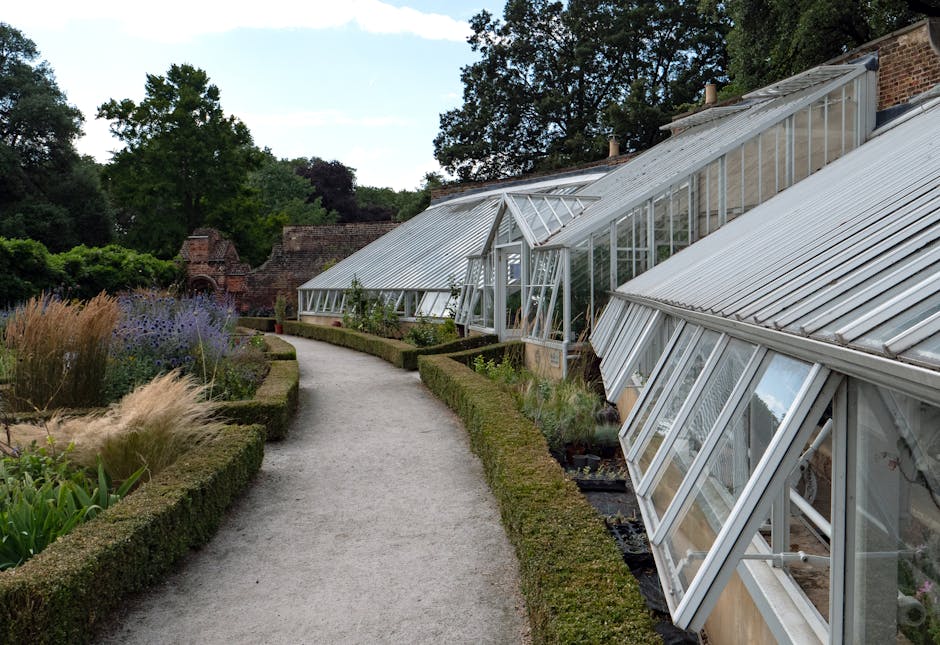
Fulham Palace Courtyard Planting Ideas for Parsons Green Gardeners
If you live near Parsons Green and you've been looking at a small courtyard, paved corner, or awkwardly shaded outdoor space and thinking, what on earth do I do with this?, you're in the right place. Fulham Palace courtyard planting ideas for Parsons Green gardeners are all about turning compact London spaces into calm, leafy places that feel planted, lived-in, and easy to enjoy. Not overdone. Not fussy. Just the right balance.
Courtyard planting in this part of London has its own character: reflected light, boundary walls, wind funnels, mature neighbouring trees, and sometimes a very stubborn patch of shade. That sounds limiting, but it can actually work in your favour. With the right structure, containers, and planting mix, a small courtyard can feel bigger, greener, and far more welcoming. This guide walks you through the ideas, methods, practical decisions, and mistakes to avoid, so you can make sensible choices without second-guessing everything.
Why Fulham Palace courtyard planting ideas for Parsons Green gardeners Matters
Courtyard planting is not just decoration. In a dense part of west London, a well-planted courtyard changes how a home feels every single day. It softens hard surfaces, blocks awkward sightlines, and gives you that small but noticeable lift when you step outside with a morning coffee. You know the feeling: one minute it's a plain slab of paving, the next it feels like a private room with sky above it.
For Parsons Green gardeners, the topic matters because outdoor space is often limited and valuable. That means every pot, wall, and planting pocket has to earn its place. The good news? Fulham Palace-style courtyard ideas tend to work brilliantly here because they favour structure, seasonal layering, and plants that can handle urban conditions without turning into high-maintenance drama. Let's face it, nobody wants a garden that looks amazing for two weeks and then becomes a chore.
This approach also suits the local rhythm of life. A courtyard near Parsons Green may need to look good year-round, cope with occasional neglect during holidays, and still feel inviting for small gatherings. That's a tall order for a tiny space, but a sensible planting plan makes it completely achievable.
How Fulham Palace courtyard planting ideas for Parsons Green gardeners Works
The basic idea is simple: use planting to create layers, texture, and structure in a compact outdoor area. Instead of treating the courtyard as one flat surface, you break it into zones. That might mean a tall backdrop of evergreen screening, mid-height shrubs for body, low planting for softness, and seasonal pots for movement.
Because many courtyards around Parsons Green are enclosed or semi-enclosed, they can behave differently from open gardens. Walls store heat during the day and release it slowly, which can help some plants but stress others. Shade can be deep and dry, especially close to buildings. Rain may not reach every corner evenly. So the planting has to be chosen for the site, not just for the look.
In practice, a good courtyard design usually combines:
- Structure: evergreen hedging, clipped shrubs, trellis, or slender small trees.
- Softness: shade-tolerant perennials, grasses, ferns, or flowering plants.
- Seasonal change: bulbs, container displays, and plants with useful flower or foliage shifts.
- Containment: pots, raised planters, or defined beds that keep everything tidy and manageable.
That balance matters. Too much structure and it feels stiff. Too many flowers and it can become busy or fragile. The sweet spot is somewhere in the middle, with enough calm to make the space restful and enough movement to keep it alive. That, in our experience, is where a courtyard starts to feel genuinely special.
Key Benefits and Practical Advantages
There are several very real advantages to a thoughtful courtyard planting scheme, especially in a neighbourhood like Parsons Green where outdoor space is at a premium.
1. Privacy without building a wall. A smart planting layout can screen windows, soften neighbouring views, and create a more comfortable atmosphere without making the courtyard feel boxed in.
2. Better proportions. Small spaces can feel awkward if every edge is hard and exposed. Vertical planting, repeated shapes, and layered containers help the space feel more considered and balanced.
3. Lower visual noise. In a courtyard, clutter shows up quickly. Careful planting gives the eye somewhere to rest. Even a plain bench starts to look intentional when framed by foliage.
4. More usable outdoor time. If the area feels inviting, you'll use it more often. A seat tucked near scented planting or an evening-lit corner is the kind of detail that quietly changes habits.
5. Better microclimate. Plants can reduce the harsh feel of paving, absorb some reflected heat, and make the air around the space feel more comfortable. Not magic, of course. But noticeable.
6. Easier seasonal updates. With containers and planting pockets, you can refresh a courtyard without ripping everything out. That is a very practical advantage for busy households.
There's also the simple emotional benefit. A courtyard that feels green and cared for tends to make the whole home feel calmer. That sounds soft, but anyone who has stepped into a leafy, sheltered space after a long day on the Underground knows exactly what we mean.
Expert summary: The best courtyard planting schemes in Parsons Green are not the busiest ones. They are the ones that combine structure, shade tolerance, and seasonal interest while staying easy to maintain.
Who This Is For and When It Makes Sense
This approach is a good fit if your outdoor space is small, enclosed, or overlooked, and you want it to feel more private and inviting. It suits flat owners with terraces, family homes with tight rear courtyards, and anyone who wants a polished garden without a huge footprint.
It also makes sense if your current courtyard has one or more of these issues:
- too much paving and not enough softness
- patchy shade that makes standard border planting struggle
- a lack of privacy from neighbours
- no obvious focal point or sense of layout
- container plants that never quite look connected
- a space that feels cold in winter and flat in summer
If you are already working on a broader garden refresh, courtyard planting can sit neatly alongside wider improvements. Many homeowners pair it with landscaping or lighter-touch garden maintenance so the space stays coherent instead of becoming a one-off patch-up. If there are tired shrubs, overgrown edges, or a messy start to the project, a bit of garden clearance can make all the difference before planting begins.
Truth be told, this is also the right direction if you keep buying individual plants you like and the result still looks disconnected. Happens all the time. A courtyard needs a plan, not just nice specimens.
Step-by-Step Guidance
Here's a practical way to approach Fulham Palace courtyard planting ideas for Parsons Green gardeners without making it overly complicated.
1. Start with the light
Watch the space at different times of day. Morning sun can be very different from late afternoon light bouncing off brick or stone. A courtyard that looks bright at 10 a.m. might be cool and shaded by lunch. That matters when choosing plants.
2. Measure what you can actually plant
It helps to mark out usable areas and not just guess. Note where people walk, where doors open, where water runs, and where pots could sit without getting in the way. If a container is going to block a route or catch on a door, it will annoy you every day. Small space, big irritation.
3. Decide on the overall style
Do you want a calm, formal courtyard with clean lines and clipped shapes, or a softer, more natural style with layered foliage? Both can work. The trick is to commit to one mood and repeat it across the space so it feels intentional.
4. Build a structural framework
Use a handful of strong features to anchor the design. This might include evergreens, tall planters, a slim tree, wall-trained planting, or a couple of repeated shrubs. Structure is what stops a courtyard from looking like a random collection of pots.
5. Add the planting layers
Once the bones are there, add mid-height and low planting. For a courtyard, the best results often come from combining:
- evergreen foliage for year-round presence
- shade-tolerant perennials for reliable cover
- seasonal bulbs for spring lift
- containers for colour, scent, or experimentation
6. Choose containers carefully
Not all pots are equal. In a courtyard, containers should feel purposeful and robust. Large pots hold moisture better than tiny ones, which dry out fast in sheltered walls and heat. Weight also matters if the surface needs protecting, so it's worth considering how the container will sit and drain.
7. Plan for upkeep from day one
This is the step people skip, and it's usually where things wobble later. Ask yourself how much watering, feeding, pruning, and seasonal refresh you're realistically going to do. If the honest answer is "not a lot," then choose resilient plants and a simpler layout. There's nothing noble about choosing a high-maintenance scheme and then resenting it by August.
8. Finish with one or two focal points
A courtyard often benefits from a moment of pause: a seat, a standout pot, a sculptural tree, or a wall planting feature. One strong focal point can make a small space feel settled and complete.
Expert Tips for Better Results
There are a few techniques that reliably improve courtyard planting, and they're worth paying attention to.
Use repetition. Repeat a few plant types, colours, or container styles rather than scattering too many different things around. Repetition creates calm and makes a small area feel larger.
Think vertically. Walls, trellis, and taller planters are your allies. A courtyard that only spreads sideways can look flat. A bit of height draws the eye upward and gives the whole place more presence.
Choose foliage first, flowers second. Flowers are lovely, obviously. But in a compact London courtyard, foliage does much of the heavy lifting. Leaf shape, colour, gloss, and texture make the space feel good for far longer than a short burst of bloom.
Mix leaf sizes and finishes. Broad leaves beside fine textures. Matte beside glossy. Light green beside deep green. That subtle contrast gives the planting depth without shouting.
Use scent near seating. If you have a bench or small dining spot, place scented planting nearby. On a still summer evening, you'll notice it straight away.
Allow breathing room. One of the biggest errors in small gardens is overfilling them. Leave a little negative space. It helps the eye settle and makes the planting look more deliberate.
Choose plants that behave well in containers. Some species are beautiful but want more room than a courtyard can give. If you are not sure, go for plants that tolerate root restriction and regular pruning rather than ones that quickly become thuggish.
And here's a slightly unglamorous but useful point: check how much time you actually want to spend watering in July. That one question can save you from a lot of regret. It's a garden, not a second job.
Common Mistakes to Avoid
Courtyard planting goes wrong in a few predictable ways. Avoiding them can save money, time, and a surprising amount of annoyance.
Choosing plants for the nursery bench, not the site. A plant may look perfect in a sunny retail display and then sulk in a shaded courtyard. Always match the plant to the conditions, not the mood you are in while buying it.
Ignoring drainage. Container plants hate sitting in water. If drainage is poor, roots can fail quietly and the whole scheme starts looking tired. Good compost, proper drainage holes, and sensible pot feet or spacers all help.
Using too many small pots. Tiny containers dry out quickly and can make a courtyard look cluttered. Fewer, larger containers usually feel more elegant and are easier to maintain.
Forgetting the winter view. Many schemes look fine in June and then disappear into a brown blur by November. Keep some evergreen backbone, even if the space is mostly seasonal.
Planting without a clear height plan. If everything is the same level, the space feels flat. If everything is too tall, it becomes oppressive. Try to think in layers.
Letting materials clash. Pots, paving, fencing, and furniture should all feel like they belong in the same story. They do not need to match exactly, but they should speak the same language.
Overcomplicating the scheme. A courtyard is not the place for thirty competing ideas. A few strong moves often work better than a crowded wish list.
And yes, plants grow. Sometimes faster than you expect. That is wonderful until the lovely little shrub starts eating the whole corner. Keep an eye on it.
Tools, Resources and Recommendations
You do not need a huge toolkit to improve a courtyard, but a few basics make the process smoother.
- Measuring tape: essential for planning pot placement and keeping routes clear.
- Quality compost: choose something suited to containers or the plant type.
- Watering can or hose solution: especially important if the space is sheltered and dries unevenly.
- Secateurs: handy for deadheading, shaping, and keeping growth neat.
- Mulch: helps retain moisture and gives pots or beds a tidier finish.
- Plant labels or notes: useful at the start, particularly if you are trialling species over a season.
If you are comparing broader garden services, it can help to look at related support like services overview pages before deciding what you want to tackle yourself and what you'd rather hand over. For courtyard schemes with hard surfaces, steps, or timber elements, decking services may also be relevant if you are creating a more layered outdoor room.
If sustainability matters to you, it is worth thinking about reuse, composting, and plant choice together. The site's recycling and sustainability approach may help you keep the project more responsible and less wasteful. Nice if you can do both: make it beautiful and sensible.
Law, Compliance, Standards, or Best Practice
For a typical residential courtyard planting project in Parsons Green, there are usually no complicated planning rules attached to planting itself. That said, there are still sensible best-practice points to keep in mind.
Property boundaries matter. If planting is near a boundary wall, fence, or shared access route, avoid letting roots, branches, or containers create disputes. Keep a respectful distance and be mindful of how mature growth will behave over time.
Drainage and runoff should be considered. Courtyards can shed water differently from open gardens, especially when hard landscaping is involved. Avoid blocking drains or creating pooling around planters. If the area is known to flood or puddle, address that before doing decorative work.
Safe access matters. Leave enough room for doors, bins, maintenance, and movement. This seems obvious until a lovely large pot ends up awkwardly by the back step. A little planning prevents that.
Work safely. If you are lifting heavy planters, using ladders for wall planting, or handling tree work, follow sensible safety practice. Where specialist work is involved, it is reasonable to check provider credentials, insurance, and health-and-safety processes. The site's health and safety policy and insurance and safety information are the kind of pages worth reviewing before you book work.
Respect shared living conditions. In dense neighbourhoods, avoid planting choices or maintenance routines that could create avoidable nuisance for neighbours, such as blocked access or excessive mess. Basic courtesy goes a long way.
If you need pricing clarity or are comparing the scope of a project, the pricing and quotes page can help frame expectations before you move forward.
Options, Methods, or Comparison Table
When people ask for courtyard planting ideas, they often really want to know which approach works best for their space. Here's a simple comparison of common methods.
| Method | Best for | Strengths | Watch-outs |
|---|---|---|---|
| Container-led planting | Very small or rented courtyards | Flexible, tidy, easy to change | Needs watering and can look fragmented if overdone |
| Mixed borders with pots | Courtyards with a little soil or deep edge space | More grounded and natural-looking | Can be harder to maintain if drainage is poor |
| Evergreen structure with seasonal refresh | Busy households and year-round use | Reliable, neat, strong winter presence | Needs good initial planning so it does not feel too rigid |
| Soft, foliage-led planting | Shaded spaces and calm garden styles | Elegant, forgiving, quiet visual texture | Can lack colour if seasonal accents are not added |
| Feature-led design | Courtyards that need a focal point | Creates identity fast | Can dominate if the rest of the planting is too minimal |
For many Parsons Green gardens, the best answer is a blend: strong structure, a few substantial containers, and soft planting layered around them. That gives you control without making the space feel static.
Case Study or Real-World Example
Imagine a narrow courtyard behind a Parsons Green home: paving underfoot, a south-west facing wall that gets afternoon warmth, a slightly shaded corner near the back door, and not much storage space. The owners want privacy, a greener feel, and something that looks good from the kitchen window.
The planting approach might look like this:
- two tall containers with evergreen structure near the main sightline
- a small cluster of shade-tolerant plants in the cooler corner
- one climber on a trellis to soften the wall
- seasonal bulbs tucked into containers for spring lift
- a simple bench positioned where it catches the best light
The result is not dramatic in a showy sense. It is better than that. It feels settled. The courtyard now has a clear focus, the brickwork is softened, and the space invites use rather than just being passed through on the way to the bins. Small win, but a real one.
In a project like this, many homeowners also decide to fold in practical maintenance support, especially if one section needs regular shaping. A service such as hedge trimming may be useful where the courtyard is edged by screening or clipped evergreen growth, while lawn mowing is relevant if the courtyard opens into a small adjacent lawn or shared green edge. If the planting forms part of a fuller garden upgrade, landscape gardening can help tie the courtyard into the wider property.
That sort of joined-up thinking is often what makes the difference between "nice plants" and a genuinely good space.
Practical Checklist
Use this checklist before you start planting or ordering materials:
- Have I checked the light levels across the courtyard at different times of day?
- Do I know which areas are dry, damp, shaded, or exposed?
- Have I measured the usable space, not just the total floor area?
- Do I have a clear style or mood for the planting?
- Have I chosen at least one structural element for year-round presence?
- Are my containers large enough for reliable watering and root health?
- Have I selected plants that suit urban courtyard conditions?
- Is there a maintenance plan for watering, pruning, and seasonal refresh?
- Have I considered privacy, access, and neighbour sightlines?
- Do the pots, paving, and planting feel like they belong together?
- Have I left a little space so the courtyard does not feel crowded?
- Do I know who will do the ongoing care if I am busy or away?
If you can tick most of those confidently, you are in good shape. If not, no panic. That just means the plan needs a bit more thought before you spend money.
Get a free quote today and see how much you can save.
Conclusion
Good courtyard planting is less about cramming in as much greenery as possible and more about making a small outdoor space feel calm, useful, and alive. For Parsons Green gardeners, the best Fulham Palace-inspired ideas tend to be the ones that respect the limits of the space while making the most of them: structure where it matters, softness where it helps, and seasonal interest that keeps things from feeling static.
If you keep the design simple, choose plants for the actual conditions, and plan for maintenance from the start, you can transform even a modest courtyard into a place you genuinely want to step into. Not every garden needs to be grand. Some just need to feel right. And that's enough, honestly.
For more background on the wider service offering and how different outdoor projects can fit together, you may also want to explore the blog, including the practical Parsons Green gardeners guide for New Kings Road homes and ideas for turning a patio into a private oasis with tall potted plants.
Small courtyard, big difference. That's the beauty of it.
Frequently Asked Questions
What are the best plants for a courtyard in Parsons Green?
The best plants are usually those that tolerate containers, partial shade, reflected heat, and a bit of urban shelter. Evergreen shrubs, shade-tolerant perennials, ornamental grasses, and well-chosen climbers often work well. The right choice depends on whether your courtyard is bright, shaded, or a mix of both.
How do I make a small courtyard look bigger?
Use repetition, vertical planting, and a restrained colour palette. Large containers and a few strong focal points tend to work better than lots of small items. Keeping some open space is important too; a crowded courtyard often feels smaller than it is.
Can courtyard planting work in deep shade?
Yes, provided you choose shade-tolerant plants and do not expect sun-loving species to perform well. Deep shade usually means focusing more on foliage texture, leaf shape, and structure rather than lots of flowering plants.
How often will I need to water courtyard containers?
That depends on pot size, plant choice, weather, and how sheltered the space is. Small pots dry out quickly, especially in warm spells. Larger containers hold moisture better and are generally easier to manage.
Do I need planning permission for courtyard planting?
Most ordinary planting does not need planning permission, but anything involving major alterations, boundary changes, or significant structures may be different. If you are unsure, it is wise to check local guidance or get professional advice before starting work.
What is the easiest low-maintenance courtyard planting style?
A simple evergreen framework with a few seasonal pots is often the easiest to live with. It stays tidy, gives year-round presence, and does not demand constant reworking. To be fair, simple usually wins in a small space.
Should I use more pots or more in-ground planting?
In many courtyards, pots are the most flexible choice because they can be moved, replaced, or refreshed more easily. If you have any soil or beds available, mixing in-ground planting with containers often gives the most natural look.
How do I stop a courtyard from feeling cold?
Warm-toned pots, soft foliage, scented plants, and a seating area can all help. Courtyards often feel cold because of too much hard surface and not enough layering. Breaking up the paving visually makes a big difference.
What should I avoid in a small courtyard?
Avoid oversized plant collections, tiny pots that dry out too fast, and species that quickly outgrow the space. It also helps to avoid too many competing colours or styles. A courtyard benefits from clarity, not clutter.
How do I choose plants for a courtyard with both sun and shade?
Look for plants that cope with mixed conditions or group your planting according to microclimate. Sunny spots can take more flowering species, while shady corners are better for foliage-led plants. Matching the plant to the exact position matters more than matching it to the courtyard as a whole.
Can courtyard planting increase privacy?
Yes. Taller containers, evergreen screening, climbers, and carefully placed shrubs can soften views into the space and make it feel more secluded. Just be careful not to block light or make the area feel boxed in.
What is the best first step if my courtyard is a blank slab right now?
Start with a simple plan: measure the space, note the light, decide on one or two focal points, and choose a structural planting layer first. Once that framework is in place, the rest becomes much easier to layer in.