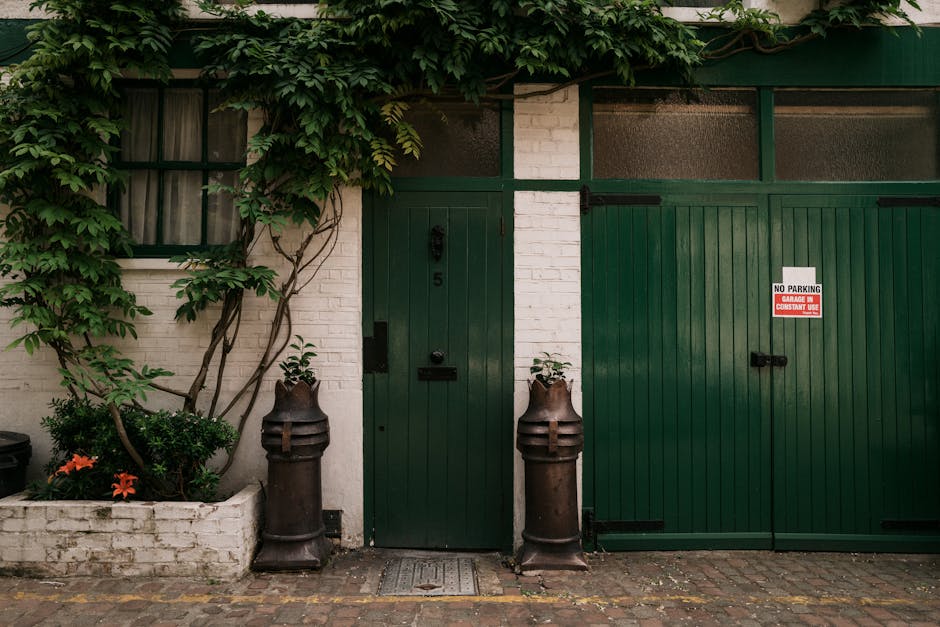
Best gardeners for flats near Parsons Green Station
If you live in a flat near Parsons Green Station, you already know the garden "space" situation can be a bit awkward. Maybe it's a narrow balcony that catches the afternoon sun, a small communal courtyard, or a ground-floor terrace that never quite feels like a proper garden. That is exactly why finding the best gardeners for flats near Parsons Green Station matters: you need someone who understands compact spaces, shared access, neighbour sensitivities, and the kind of maintenance that keeps things tidy without becoming a weekly headache.
To be fair, flat gardening in this part of London is less about grand lawns and more about making the most of every pot, planter, and patch of soil. The right gardener can help you create something calm, practical, and genuinely attractive, whether you want low-maintenance greenery, seasonal colour, or a balcony that does not look like a storage shelf with plants on it. This guide walks you through what to look for, how the service works, what good results look like, and how to choose with confidence.
One quick note before we dive in: if you are also comparing broader local services, you may find it useful to read about general gardening services and the kind of lawn maintenance support that can be adapted for smaller outdoor spaces. Not every flat has a lawn, obviously, but the same care standards often apply.
Table of Contents
- Why Best gardeners for flats near Parsons Green Station Matters
- How Best gardeners for flats near Parsons Green Station Works
- Key Benefits and Practical Advantages
- Who This Is For and When It Makes Sense
- Step-by-Step Guidance
- Expert Tips for Better Results
- Common Mistakes to Avoid
- Tools, Resources and Recommendations
- Law, Compliance, Standards, or Best Practice
- Options, Methods, or Comparison Table
- Case Study or Real-World Example
- Practical Checklist
- Conclusion
- Frequently Asked Questions
Why Best gardeners for flats near Parsons Green Station Matters
Flat gardens in Parsons Green tend to have one thing in common: they are valuable, but limited. A small outdoor area can easily become cluttered, underused, or high-maintenance if it is not planned properly. The right gardener understands how to work with those constraints rather than fighting them.
Near Parsons Green Station, properties often sit in a very lived-in part of West London. That means access can be tight, neighbours are close by, and you may need work completed with minimal disruption. A gardener used to flats knows how to move through shared entrances politely, keep noise and mess down, and leave the space looking neat rather than half-finished. Small detail? Yes. But these are the things that make the difference between a service that feels effortless and one that becomes a nuisance.
There is also the design side. A strong flat-garden service is not just about cutting things back. It is about making compact areas feel usable. Maybe you want herbs by the kitchen door, a bit of privacy from the next balcony, or planting that still looks good in February when the sky is doing its usual London thing. Proper planning matters because the wrong plant in the wrong place can turn into a constant battle with shade, wind, water run-off, or poor drainage.
If you are trying to decide between a quick tidy-up and a more considered outdoor refresh, it can help to think in terms of ongoing care rather than one-off rescue work. For that reason, pages like regular garden maintenance and garden clearing and clearance are useful reference points when you are planning the next sensible step.
How Best gardeners for flats near Parsons Green Station Works
In practical terms, the service usually starts with a site visit or an initial discussion. For flats, that conversation matters more than people sometimes expect. A good gardener will want to know the size of the area, how you use it, how much sun it gets, whether there is shared access, and what kind of result you want.
From there, the work usually falls into one or more of these areas:
- Planting and container design for balconies, terraces, and small courtyards
- Routine maintenance such as pruning, deadheading, feeding, and watering checks
- Seasonal refreshes to keep things looking presentable through the year
- Waste removal for cuttings, old compost, and overgrown material
- Problem-solving for shade, poor drainage, pests, or wind exposure
Good flat gardening is rarely glamorous work. Sometimes it is a matter of replacing tired compost, taking out a plant that has clearly had enough, and redistributing pots so the space breathes again. That may sound simple, but it is often what brings the biggest improvement.
The best gardeners also think about how maintenance will work in real life. If you are often away, they may suggest drought-tolerant planting or a simpler arrangement that does not need daily attention. If you work from home and want the balcony to feel nice from spring to autumn, they might prioritise scent, texture, and tidy structure. In other words: the service should fit your routine, not the other way round.
Key Benefits and Practical Advantages
There are a few clear reasons why choosing the right gardener for a flat near Parsons Green Station can pay off quickly.
A better use of limited space
A skilled gardener knows how to make a compact area feel larger. That might mean lifting plants into vertical arrangements, using slimmer planters, creating a simple sight line, or reducing visual clutter. In a flat, one well-placed pot can do more work than ten random ones. Funny how that happens.
Less maintenance stress
Many flat owners want greenery, but not a part-time hobby that takes over weekends. A good gardener can suggest a manageable planting scheme and set up maintenance routines that are realistic. That means fewer dead plants, fewer emergency waterings, and fewer awkward moments staring at a brown box of basil on the balcony.
Healthier plants and better long-term value
Healthy planting looks better for longer, but it also saves money over time. Replacing plants every few months because they were not suited to the light or weather gets expensive. Better advice upfront can prevent that cycle. Truth be told, this is where experience shows.
Cleaner presentation for guests or letting
If your flat is rented, being sold, or occasionally used for entertaining, outdoor presentation matters. A tidy, well-kept terrace or balcony improves first impressions in a way that feels immediate. Not loud. Just noticeably better.
Support with awkward site conditions
Parsons Green flats may come with shade from nearby buildings, limited water access, or exposed spots where wind dries everything out. Those are all normal London issues, but they need a gardener who recognises them quickly and works around them rather than guessing.
Expert summary: the best flat gardening service is not the one that does the most. It is the one that understands your space, your routine, and the small frustrations that come with living above ground level in London.
Who This Is For and When It Makes Sense
This kind of service is a strong fit for several types of residents and property managers.
- Flat owners who want a balcony, terrace, or small outdoor area to feel lived-in and attractive
- Renters who need help with a container garden but do not want a major commitment
- Landlords who want outdoor areas maintained between tenancies or ahead of viewings
- Busy professionals who like greenery but cannot keep up with the regular work
- Residents' associations or managing agents overseeing communal planters or small shared gardens
It also makes sense if you have already tried to maintain the space yourself and hit the usual wall: the rosemary has gone woody, the hydrangea is sulking, and one of the planters is leaking onto the paving. Happens all the time.
There are a few moments when bringing in a gardener is especially sensible:
- Before spring, if you want the space ready for better weather.
- After winter, when containers look tired and need fresh compost or replanting.
- Before a property photo shoot, open day, or inspection.
- When you move in and the outside area needs a full reset.
- When the upkeep has become harder than the enjoyment.
If that sounds familiar, you are probably in the right place. No drama, just a practical fix.
Step-by-Step Guidance
Choosing the best gardener for a flat is easier when you approach it in a simple sequence. A rushed decision tends to lead to mismatched expectations. A clear process usually gives you better results.
1. Assess what your space actually needs
Start with the basics. Is it a balcony, terrace, courtyard, lightwell, or communal area? Does it get full sun, part shade, or mostly shade? Is the main issue design, maintenance, or complete neglect? Be honest here. A tiny, windy balcony needs a different plan from a sheltered ground-floor garden.
2. Decide on your outcome
Are you after a tidy seasonal refresh, a complete planting redesign, or ongoing maintenance? If you do not know yet, that is fine. But you should at least know whether you want the space to look more stylish, more functional, or simply easier to care for.
3. Ask about flat-specific experience
This is one of the most important questions. A gardener may be excellent with larger gardens but less suited to apartments and shared access settings. Ask if they have worked on balconies, roof terraces, compact courtyards, or managed properties. The answer should be specific, not vague.
4. Check practical details
Ask how they handle access, waste removal, watering plans, and plant sourcing. Also ask whether they can advise on containers, compost, and drainage. These things sound minor until they are not. Then they become very noticeable, very quickly.
5. Compare proposals on clarity, not just price
A cheap quote can be tempting, but if it does not explain what is included, it is hard to judge value. Look for clear scope, realistic timing, and sensible recommendations. The best quote often reads like someone actually looked at your space, which is reassuring.
6. Start with a smaller job if needed
If you are unsure, begin with a tidy-up, planting refresh, or one-off maintenance visit. That gives you a feel for the gardener's approach before committing to ongoing work. Simple, but effective.
For residents who want a broader service relationship, it can help to look at the provider's wider support pages too, such as frequently asked questions and terms and conditions, especially if you want to understand what is included before booking.
Expert Tips for Better Results
A few small decisions make a big difference in flat gardening. You do not need a huge budget or a dramatic redesign. You just need the right priorities.
- Choose plants for the light, not the wishlist. A plant that looks beautiful in full sun will not perform well in shade just because you love it on Instagram.
- Use containers with proper drainage. Standing water in pots is one of the fastest ways to lose healthy roots.
- Keep a simple plant palette. Too many species can make a small space look crowded and harder to maintain.
- Think in layers. Low plants, mid-height structure, and one or two taller features usually create a calmer look.
- Ask for a seasonal plan. Spring and late summer often need different approaches.
- Reserve a little budget for replacement. Even with good care, one or two plants may need swapping out over time.
One tip people often miss: if your balcony is exposed to wind, heavier pots and sturdier foliage can save a lot of disappointment. Tiny lightweight containers may look neat for a week, then spend the rest of the month across the terrace. Not ideal.
Another small but useful point is scent. In a compact outdoor space, one fragrant herb or flowering plant near the seating area can change the whole feel of the place. You notice it every time you step outside with a cup of tea in the evening.
Common Mistakes to Avoid
Most flat-garden problems are preventable. The same mistakes come up again and again, especially when people are trying to do too much too quickly.
Choosing plants that are wrong for the conditions
Probably the most common issue. A sunny terrace and a shaded courtyard are not interchangeable. A good gardener will guide you away from expensive mistakes here.
Overcrowding the space
It is easy to fall in love with lots of plant varieties, but too many pots can make a small outdoor area feel cramped and difficult to move through. Sometimes removing is the best improvement.
Ignoring maintenance from the start
If you do not plan how the space will be watered, trimmed, and refreshed, it will get messy. Fast. The design must match the upkeep you can actually manage.
Not checking access and building rules
Some flats have building rules around deliveries, shared hallways, waste disposal, or work hours. You do not want to find that out after the gardener has arrived with a van full of compost.
Assuming one-off tidy-ups solve everything
Sometimes they do, but often the space needs follow-up. A seasonal refresh followed by light maintenance tends to work much better than occasional panic intervention.
Skipping the questions that matter
If you do not ask about what is included, who sources the plants, or whether waste is removed, you may end up with assumptions rather than a proper service. And assumptions, as you know, can get expensive.
Tools, Resources and Recommendations
A good flat gardener will usually bring most of the professional kit needed, but it helps to know what tools and resources are typically involved so you can judge the service more clearly.
- Hand tools for pruning, shaping, deadheading, and general tidying
- Quality compost and mulch to support healthy container planting
- Watering solutions for areas where access is awkward
- Proper containers and saucers to improve drainage and protect paving
- Seasonal planting knowledge for colour and structure through the year
Resources worth asking for include a maintenance plan, a planting schedule, and simple care notes for any plants you want to keep between visits. That way, you are not left wondering what to do the next time the weather turns hot for three days and then back to drizzle by Friday.
If you are looking at a provider's service range, useful supporting pages may include planting services, garden maintenance, and customer reviews. Not every site will organise things the same way, of course, but these pages often give you a decent sense of how a company works and whether it is a fit.
Law, Compliance, Standards, or Best Practice
Flat gardening in London is usually straightforward, but there are a few practical standards and best-practice points worth keeping in mind.
First, if your garden area is part of a shared building, check access arrangements and any building-specific rules before work starts. That might include delivery times, use of service entrances, lift protection, or waste removal procedures. Nothing unusual there, just common sense and a bit of courtesy.
Second, if work involves communal spaces, keep neighbours and managing agents informed where appropriate. A noisy or messy visit can cause friction quickly in a building where people are living close together. The best gardeners are usually very good at keeping disruption to a minimum.
Third, make sure any waste is handled responsibly. Garden waste should be removed or composted in line with normal local expectations and the agreed service scope. If a company says waste removal is included, confirm what that means in practice.
Finally, if the work touches building features such as balustrades, drainage channels, or waterproof membranes, tread carefully. Flat owners and managers should avoid any work that could compromise the structure or finish of the property. If in doubt, ask for a cautious approach. Better safe than apologising later over a damp patch that should never have been there.
These are not dramatic legal points, just the kind of sensible precautions that keep a small outdoor area pleasant and trouble-free.
Options, Methods, or Comparison Table
When people search for the best gardeners for flats near Parsons Green Station, they are often comparing different service styles without realising it. Here is a simple way to think about the options.
| Service type | Best for | Pros | Watch out for |
|---|---|---|---|
| One-off tidy-up | Neglected balconies or a flat that needs a quick reset | Fast, practical, good for first impressions | May not solve long-term maintenance issues |
| Seasonal planting refresh | People who want colour and structure through the year | Fresh look, better plant choice for the season | Needs follow-up care and occasional replacement |
| Regular maintenance | Busy residents who want ongoing support | Consistent presentation, fewer problems over time | Requires a recurring budget and scheduling |
| Full design and planting service | Newly moved-in flats or complete outdoor makeovers | Most tailored result, strong visual impact | More planning time and usually a higher initial cost |
For many flats, a mix works best. A one-off redesign followed by lighter maintenance is often more practical than trying to reinvent the space every month. Some people want the whole thing perfect; most people just want it to look good and not be a chore. Fair enough.
Case Study or Real-World Example
Imagine a first-floor flat near Parsons Green Station with a narrow terrace running along the back of the property. The owner likes plants, but the space has become cluttered: a couple of half-dead pots, a chair that never gets used, herbs that dried out in summer, and one planter that keeps spilling compost onto the paving.
The gardener starts by clearing the tired material, then checks how much light the terrace actually gets during the day. The answer is partial sun, with a windy patch near one end. Rather than trying to force a lush, high-maintenance design into that setup, they suggest a smaller number of sturdy containers, herbs that suit the conditions, and a couple of evergreen plants for year-round structure.
They also rearrange the terrace so there is a clearer walking line and the seating area feels more inviting. The difference is subtle but real. The space no longer feels like an awkward afterthought. It feels like somewhere you might actually sit with a coffee on a mild evening, listening to the low hum of the street below.
The important part? The owner is left with a plan they can maintain. That is what makes the result last. Not the initial tidy-up on its own, but the follow-through.
Practical Checklist
Before you book, run through this quick checklist. It saves time and avoids awkward surprises later.
- Have I clearly identified the space: balcony, terrace, courtyard, or communal area?
- Do I know how much sun, shade, wind, and shelter it gets?
- Have I decided whether I want one-off work or ongoing maintenance?
- Have I asked whether the gardener has flat and balcony experience?
- Do I understand what is included in the quote?
- Has waste removal been discussed?
- Have I checked access arrangements and any building rules?
- Do I want planting advice, container sourcing, or a full redesign?
- Have I asked how the space will be maintained after the visit?
- Am I choosing the proposal that makes the most sense, not just the cheapest one?
Quick reality check: if the space looks good on day one but is impossible to maintain by day thirty, it is not the right setup. The best flat gardens are practical first, pretty second. Ideally both, of course.
Conclusion
Finding the best gardeners for flats near Parsons Green Station is really about matching experience to the realities of compact London living. You want someone who can handle access, understand container planting, make sensible plant choices, and keep things looking polished without creating more work for you.
The right service should feel calm, clear, and tailored. Not overcomplicated. Not vague. Just well judged. Whether you need a quick tidy-up, a seasonal refresh, or a proper redesign for a balcony or terrace, the goal is the same: a small outdoor space that genuinely works for your life.
If you are ready to improve your flat's outdoor area, start with a clear brief, ask the practical questions, and choose the gardener who listens properly. That usually tells you more than any polished brochure ever could.
Get a free quote today and see how much you can save.
Frequently Asked Questions
What should I look for in a gardener for a flat near Parsons Green Station?
Look for experience with balconies, terraces, courtyards, and shared-access properties. A good flat gardener should understand compact spaces, container planting, drainage, and realistic maintenance plans.
Can a gardener help if my balcony has very little sun?
Yes. In fact, that is one of the most common situations in London flats. A skilled gardener can suggest shade-tolerant plants, adjust container placement, and avoid species that will struggle in low light.
Do I need regular maintenance or is a one-off visit enough?
It depends on the space and what you want from it. A one-off tidy-up is fine for a reset, but regular maintenance usually gives better long-term results if you want the area to stay neat and healthy.
How often should a flat garden be maintained?
That varies. Some small spaces only need seasonal attention, while others benefit from monthly or fortnightly care. The right frequency depends on plant choice, exposure, and how hands-on you want to be.
Will a gardener remove waste after the job?
Often yes, but not always by default. It is best to confirm whether waste removal is included in the quote and what that covers, especially if there is a lot of cuttings or old compost.
Can gardeners help with balcony planters and pots?
Absolutely. Balcony planters are a core part of flat gardening. A gardener can help with planting, arrangement, soil choice, and drainage so the containers look good and stay healthy.
How do I know if a gardening quote is fair?
A fair quote should clearly explain what is included: labour, planting, materials, waste removal, and any follow-up visits. If the scope is vague, it is hard to compare properly.
What plants are usually best for flats?
The best plants depend on light and exposure, but many flats do well with compact evergreens, herbs, ornamental grasses, and seasonal flowers. The key is matching the plant to the conditions rather than choosing purely for appearance.
Can a gardener work around building rules or shared access?
Yes, experienced local gardeners are usually used to working around access arrangements and building expectations. It helps to mention those details early so the visit can be planned properly.
Is it worth paying more for a gardener with local experience?
Often yes. Local experience can matter because a gardener familiar with West London flats is more likely to understand common issues like limited access, shade from surrounding buildings, and smaller outdoor layouts.
What is the biggest mistake people make with flat gardens?
The most common mistake is choosing plants or designs that look great briefly but are not practical for the actual conditions. A small space needs a plan that fits sunlight, watering, and your day-to-day routine.
How quickly can a flat garden be improved?
Sometimes very quickly. A tidy-up, fresh compost, better container spacing, and a few healthy plants can transform the space in a single visit. Bigger design changes may take longer, but the improvement is usually noticeable straight away.